PDF + Interactive PowerPoint Slides | Debate • Opinions • Fair Play
Video games are fun—until cheating ruins everything.
This interactive ESL lesson uses gaming and cheating as the core topic to get students talking, thinking, debating, and defending their opinions in English. Instead of passive reading or simple vocabulary drills, learners explore why people cheat, when cheating might be acceptable, and how fairness works in games and real life.
This is a conversation-driven, opinion-based lesson, not a worksheet dump.
What This Lesson Is About
Students explore:
What cheating in video games really means
The difference between single-player vs. online cheating
Why gamers cheat (pressure, frustration, control, winning)
How cheating affects fair play, trust, and enjoyment
Whether cheating in games reflects real-life behavior
Gaming is used as a relatable entry point to deeper discussion, ethical thinking, and confident speaking.
What Students Will DO (Not Just Learn):
✔ Talk about their own gaming experience
✔ Define cheating using real gaming examples
✔ Learn and APPLY gaming vocabulary (cheat, hack, exploit, ban, fair play, advantage)
✔ Read and discuss a natural conversation between gamers
✔ Explain why cheating is unfair—or argue when it might be acceptable
✔ Answer comprehension questions with reasoning, not one-word answers
✔ Use structured phrases to express opinions clearly
✔ Decide what is fair vs. not fair in realistic gaming situations
✔ Complete tables comparing cheating vs. fair play
✔ Connect gaming behavior to real-world ethics and choices
✔ Reflect honestly on their own opinions and experiences
This lesson pushes learners to think first, then speak with purpose.
What’s Included:
Interactive PowerPoint Slides (PPT / PPD)
Click-through discussion slides
Guided speaking prompts
Answer-reveal slides for self-checking
Perfect for online teaching, screen sharing, or solo study
Printable PDF Version
Matching activities
Decision checklists
Writing and reflection tasks
Ideal for homework or self-learning
Structured slides, including:
Gaming-focused warm-up questions
Clear explanations of cheating in games
Vocabulary + matching activities
Gaming dialogue (split for pacing)
Comprehension questions + answers
Critical thinking & debate slides
Opinion sentence starters
Fair vs. Not Fair scenarios
Real-life connection discussion
Self-reflection & wrap-up
Cheating in Video Games
Skills Students Build:
Speaking fluency
Opinion giving & justification
Agreement and disagreement
Critical thinking
Ethical discussion
Gaming-related vocabulary in context
Perfect For:
✔ ESL teachers (online or in-person)
✔ Adult & teen learners
✔ Conversation-focused classes
✔ Debate & discussion lessons
✔ Self-study learners
✔ Teachers who want high engagement with minimal prep
Lesson Length:
Why This Lesson Works:
Students care about games.
They care about fairness.
They love debating cheating.
This lesson turns a familiar topic into real communication, helping learners speak naturally, confidently, and thoughtfully, without scripted answers.
File Formats Included:
PDF + Interactive PowerPoint Slides | Debate • Opinions • Fair Play
Video games are fun—until cheating ruins everything.
This interactive ESL lesson uses gaming and cheating as the core topic to get students talking, thinking, debating, and defending their opinions in English. Instead of passive reading or simple vocabulary drills, learners explore why people cheat, when cheating might be acceptable, and how fairness works in games and real life.
This is a conversation-driven, opinion-based lesson, not a worksheet dump.
What This Lesson Is About
Students explore:
What cheating in video games really means
The difference between single-player vs. online cheating
Why gamers cheat (pressure, frustration, control, winning)
How cheating affects fair play, trust, and enjoyment
Whether cheating in games reflects real-life behavior
Gaming is used as a relatable entry point to deeper discussion, ethical thinking, and confident speaking.
What Students Will DO (Not Just Learn):
✔ Talk about their own gaming experience
✔ Define cheating using real gaming examples
✔ Learn and APPLY gaming vocabulary (cheat, hack, exploit, ban, fair play, advantage)
✔ Read and discuss a natural conversation between gamers
✔ Explain why cheating is unfair—or argue when it might be acceptable
✔ Answer comprehension questions with reasoning, not one-word answers
✔ Use structured phrases to express opinions clearly
✔ Decide what is fair vs. not fair in realistic gaming situations
✔ Complete tables comparing cheating vs. fair play
✔ Connect gaming behavior to real-world ethics and choices
✔ Reflect honestly on their own opinions and experiences
This lesson pushes learners to think first, then speak with purpose.
What’s Included:
Interactive PowerPoint Slides (PPT / PPD)
Click-through discussion slides
Guided speaking prompts
Answer-reveal slides for self-checking
Perfect for online teaching, screen sharing, or solo study
Printable PDF Version
Matching activities
Decision checklists
Writing and reflection tasks
Ideal for homework or self-learning
Structured slides, including:
Gaming-focused warm-up questions
Clear explanations of cheating in games
Vocabulary + matching activities
Gaming dialogue (split for pacing)
Comprehension questions + answers
Critical thinking & debate slides
Opinion sentence starters
Fair vs. Not Fair scenarios
Real-life connection discussion
Self-reflection & wrap-up
Cheating in Video Games
Skills Students Build:
Speaking fluency
Opinion giving & justification
Agreement and disagreement
Critical thinking
Ethical discussion
Gaming-related vocabulary in context
Perfect For:
✔ ESL teachers (online or in-person)
✔ Adult & teen learners
✔ Conversation-focused classes
✔ Debate & discussion lessons
✔ Self-study learners
✔ Teachers who want high engagement with minimal prep
Lesson Length:
Why This Lesson Works:
Students care about games.
They care about fairness.
They love debating cheating.
This lesson turns a familiar topic into real communication, helping learners speak naturally, confidently, and thoughtfully, without scripted answers.
File Formats Included:


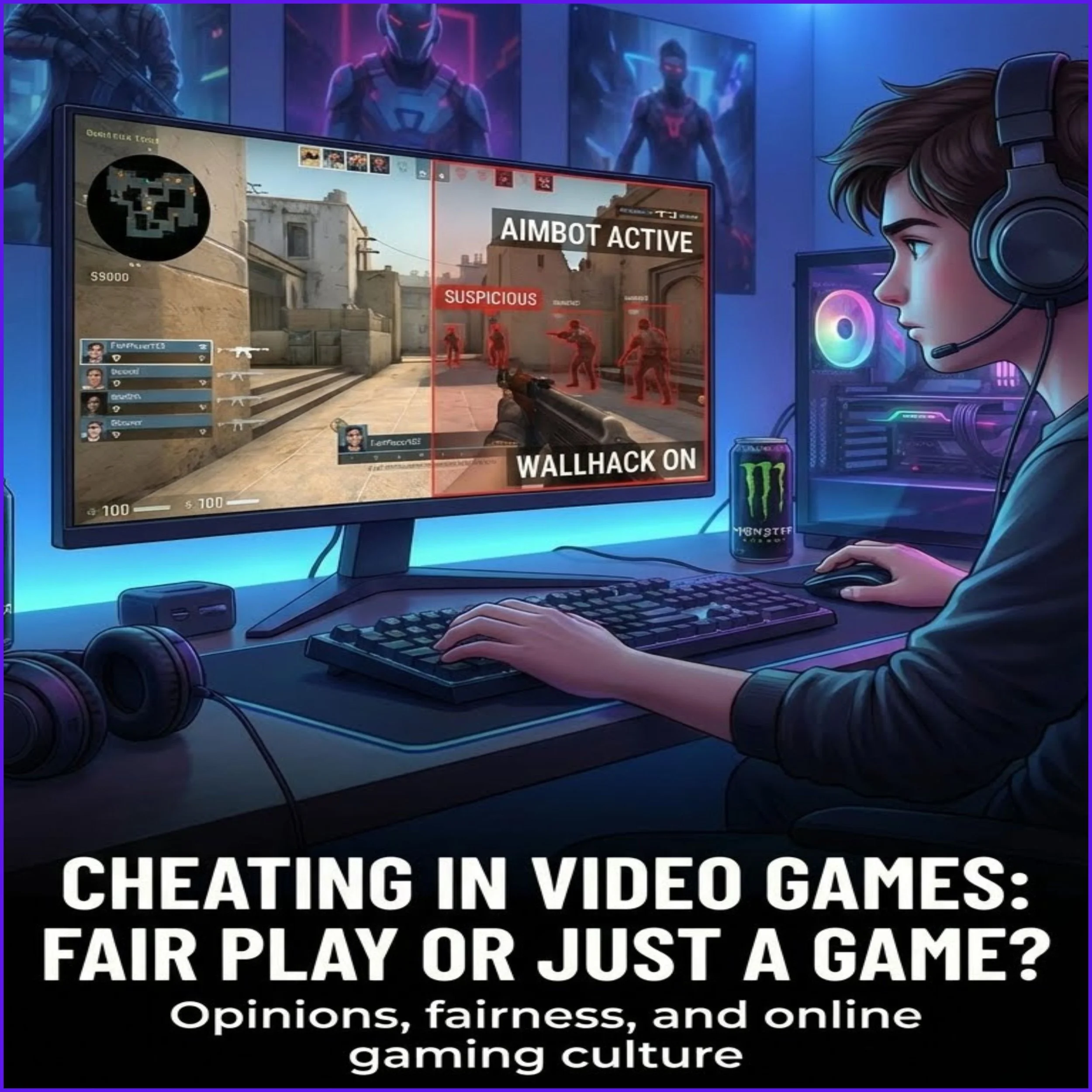 Image 1 of 24
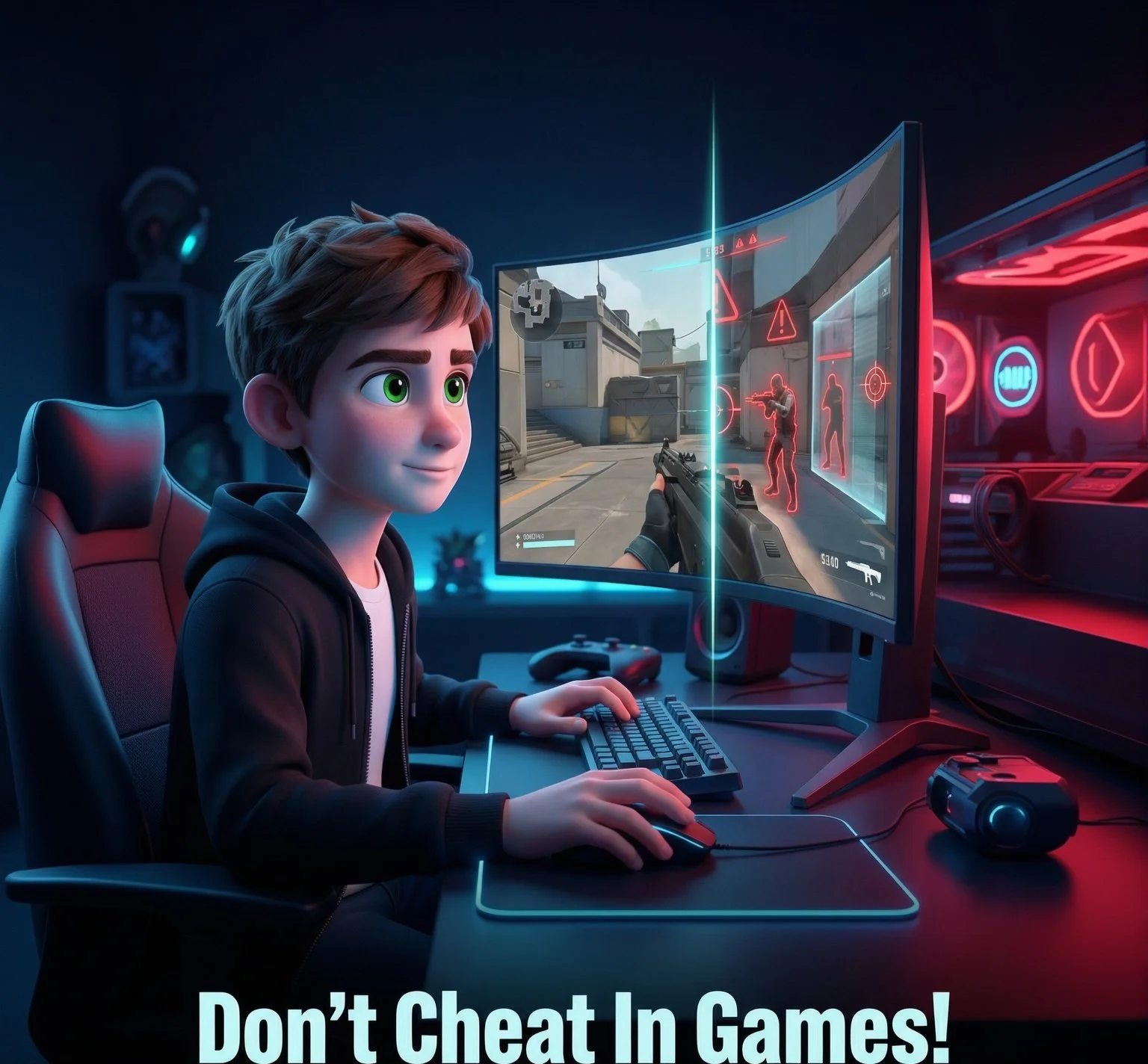 Image 2 of 24
 Image 3 of 24
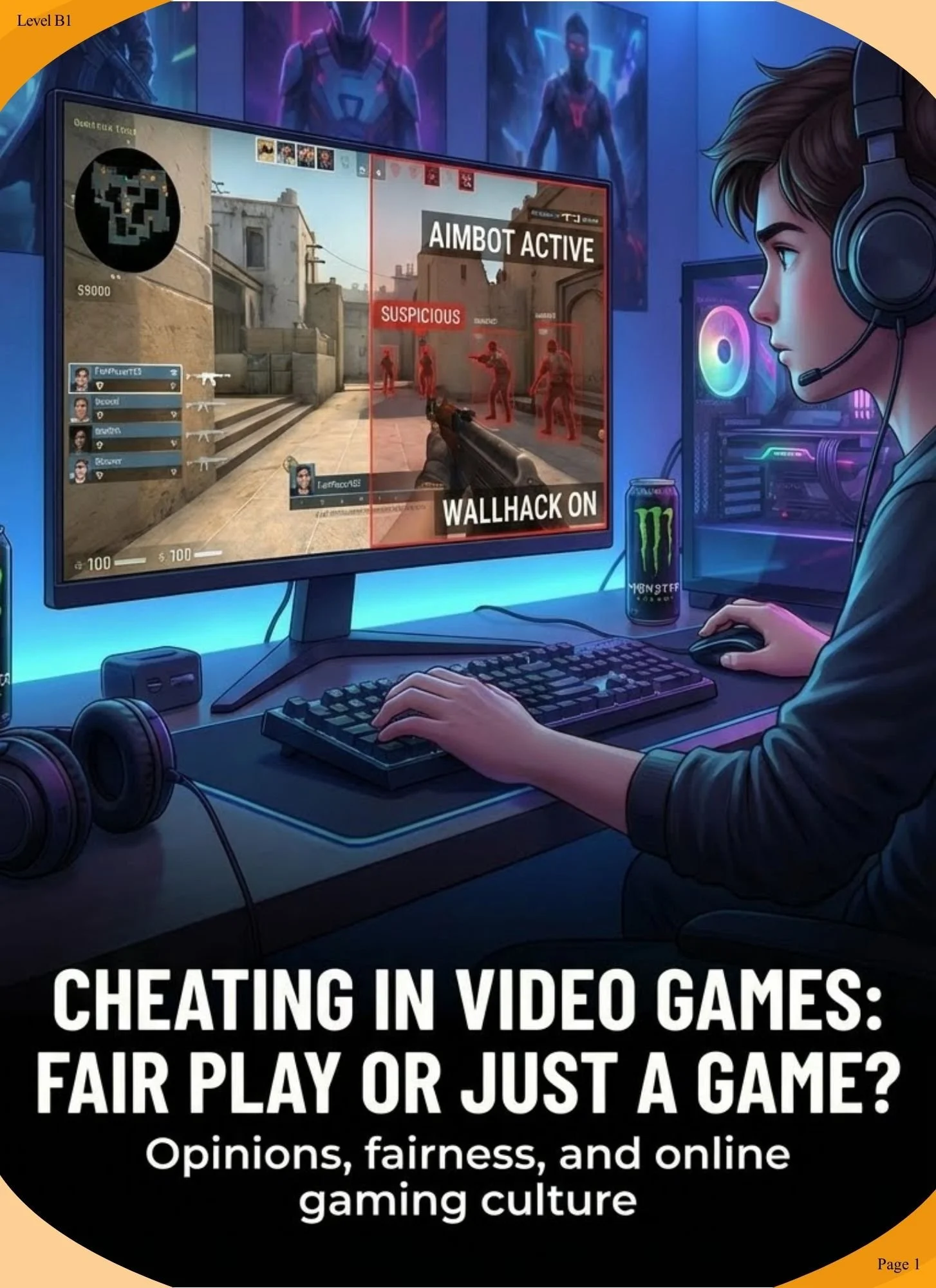 Image 4 of 24
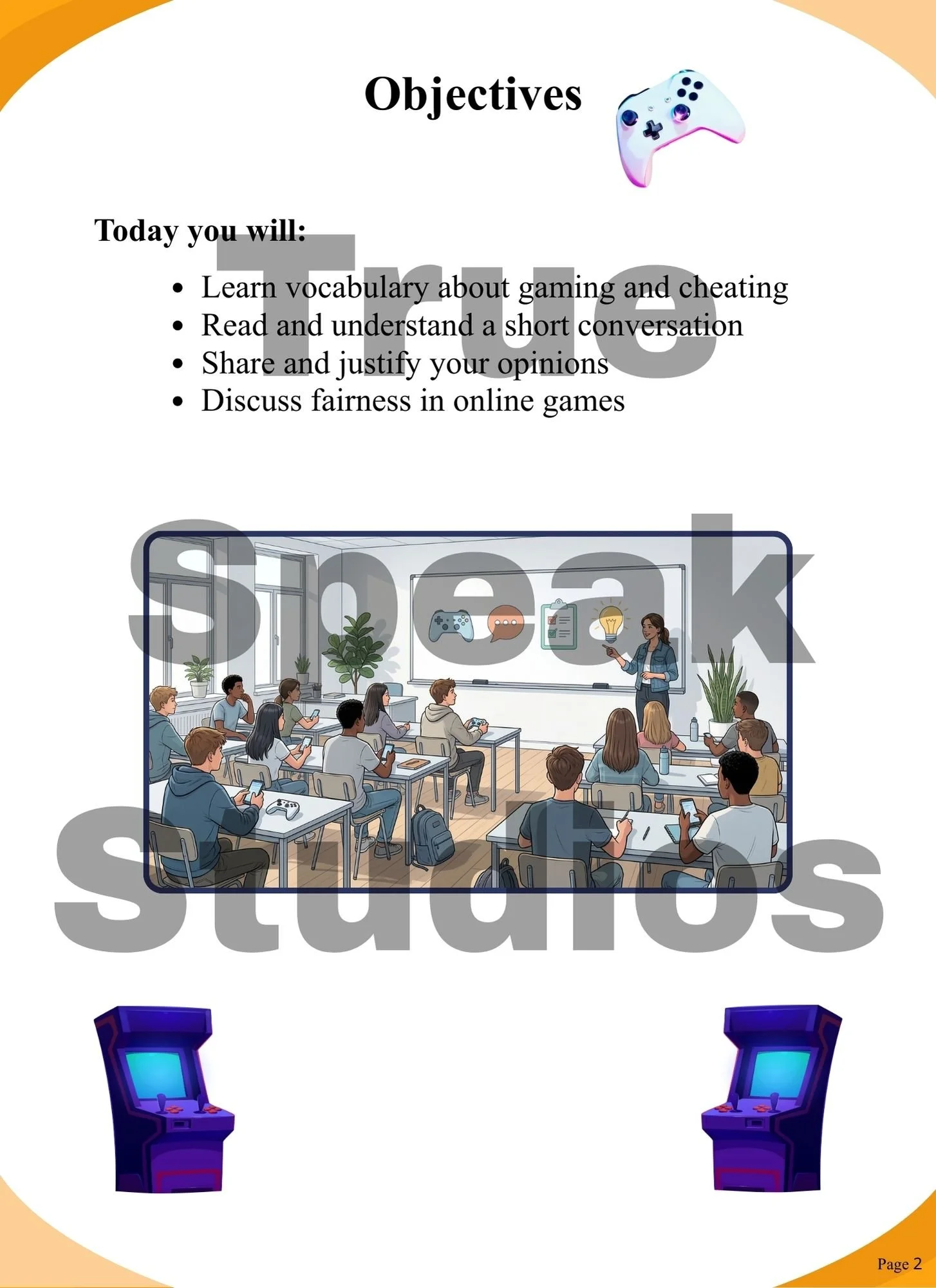 Image 5 of 24
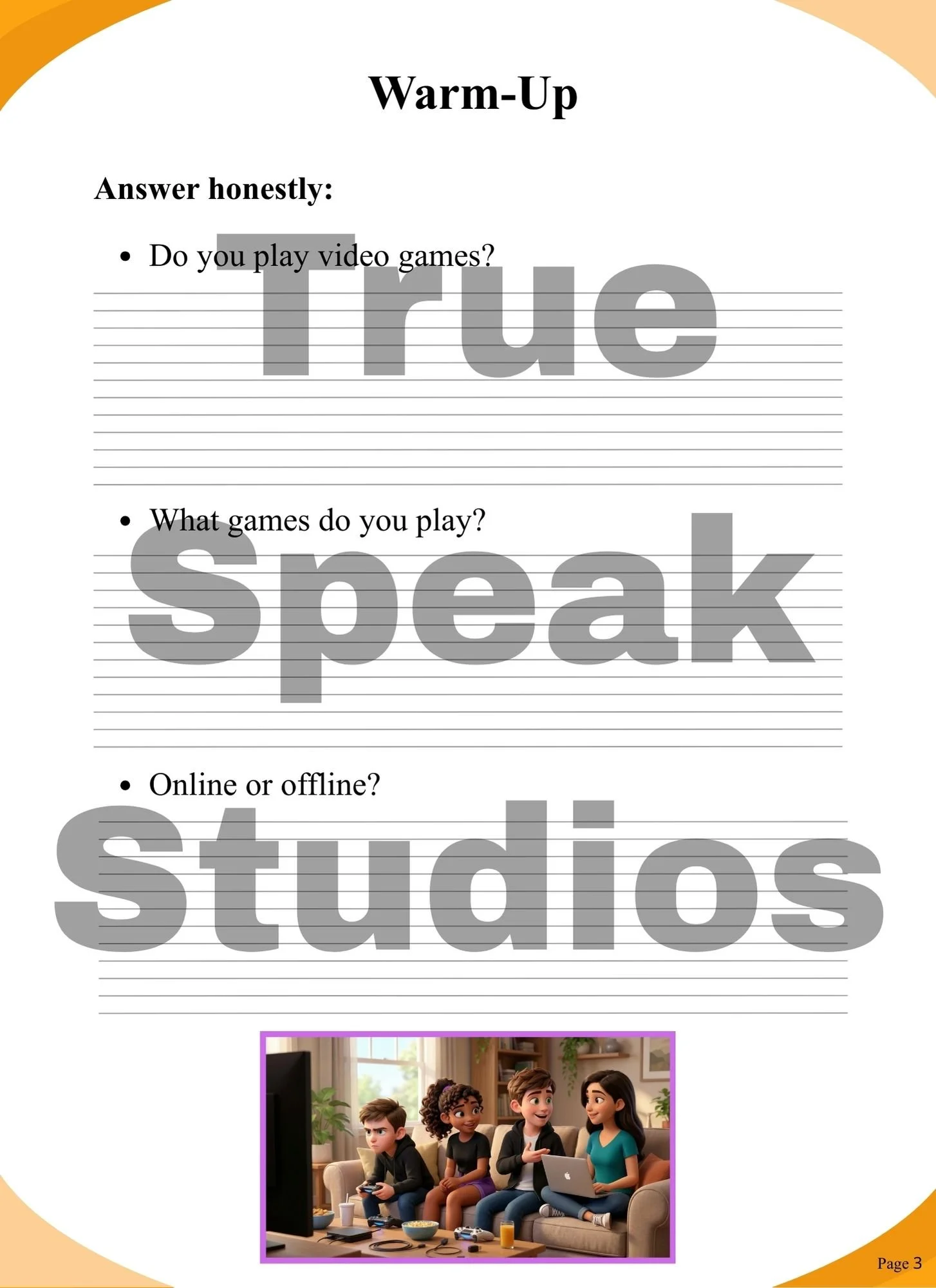 Image 6 of 24
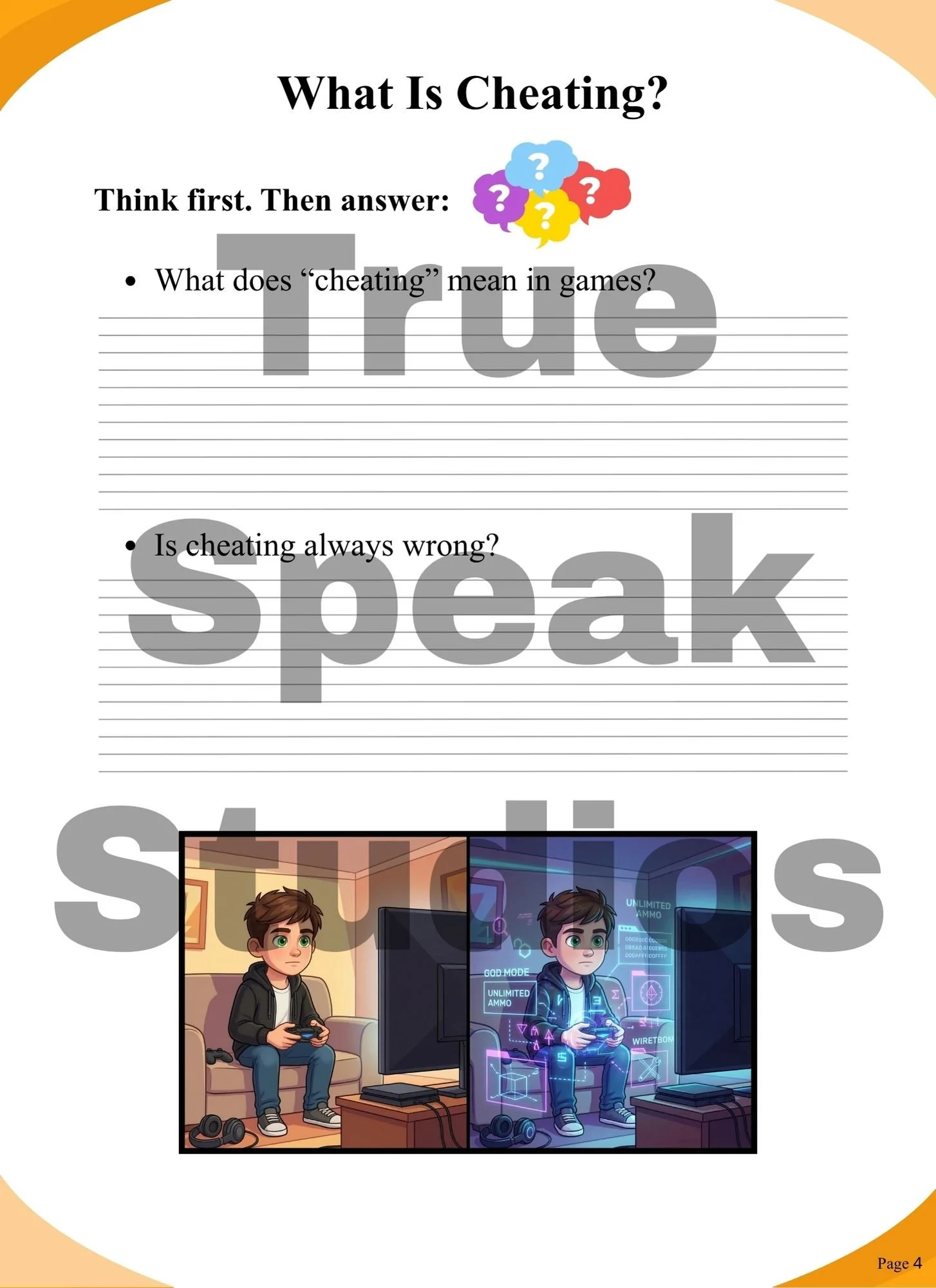 Image 7 of 24
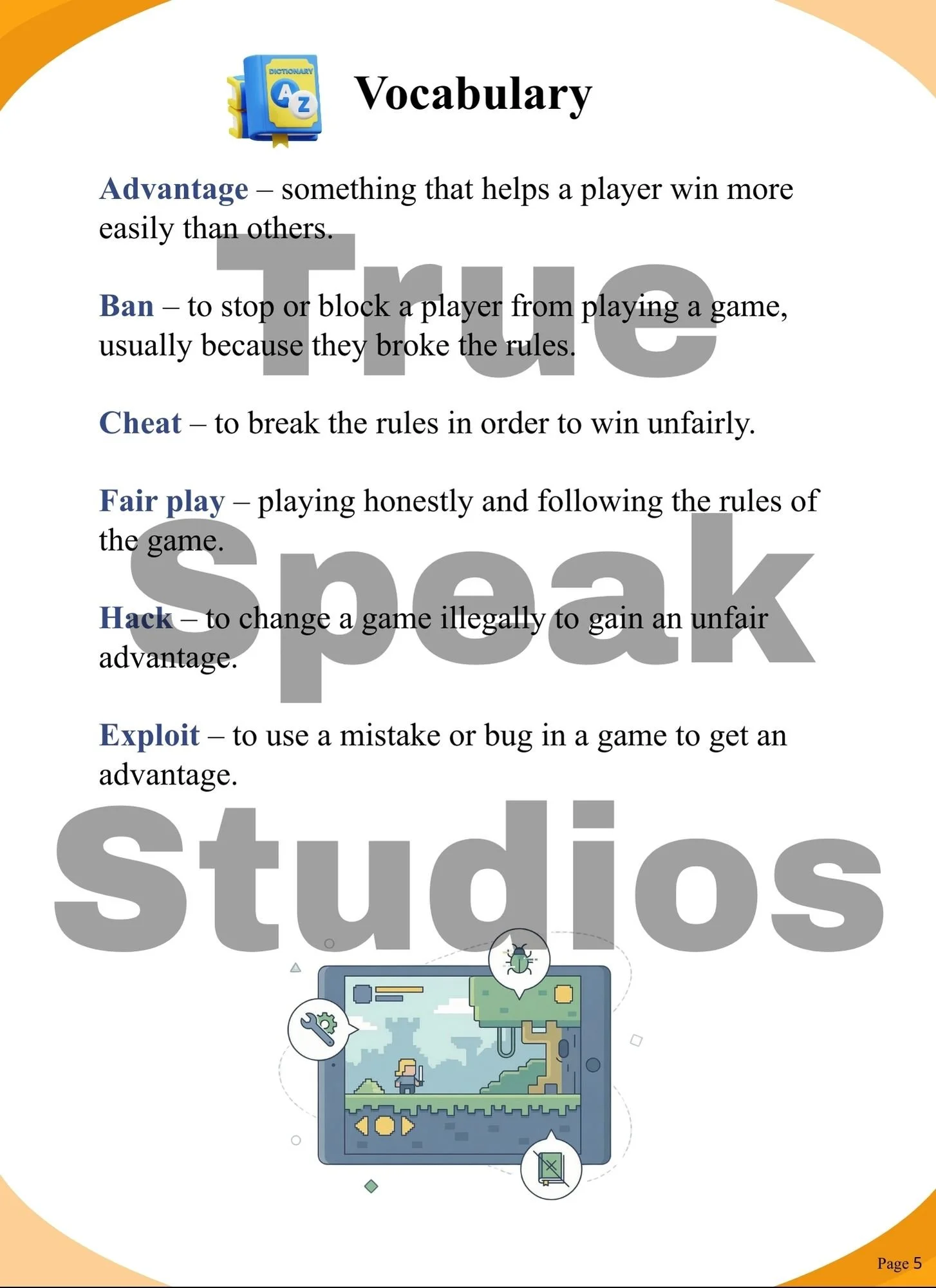 Image 8 of 24
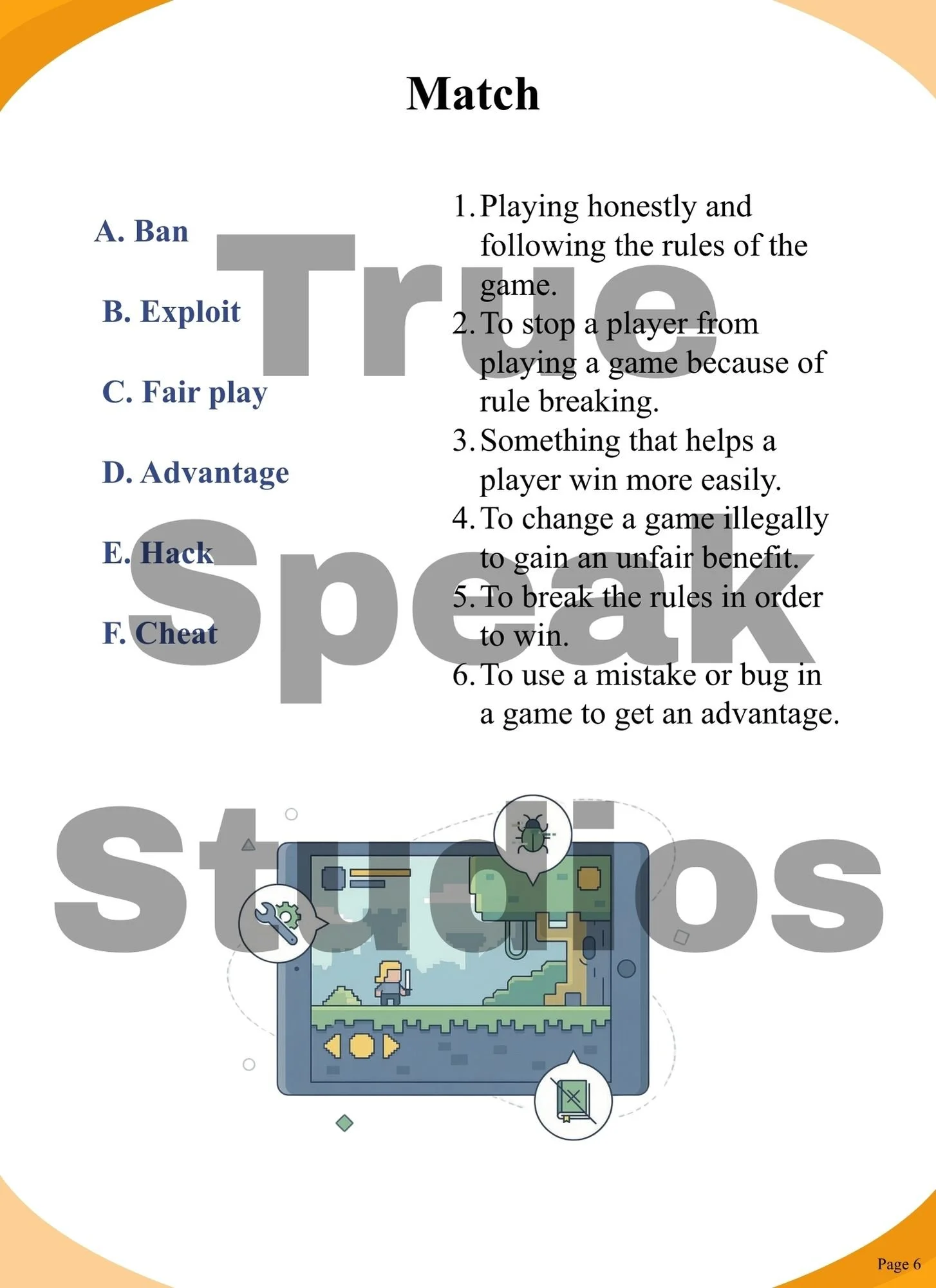 Image 9 of 24
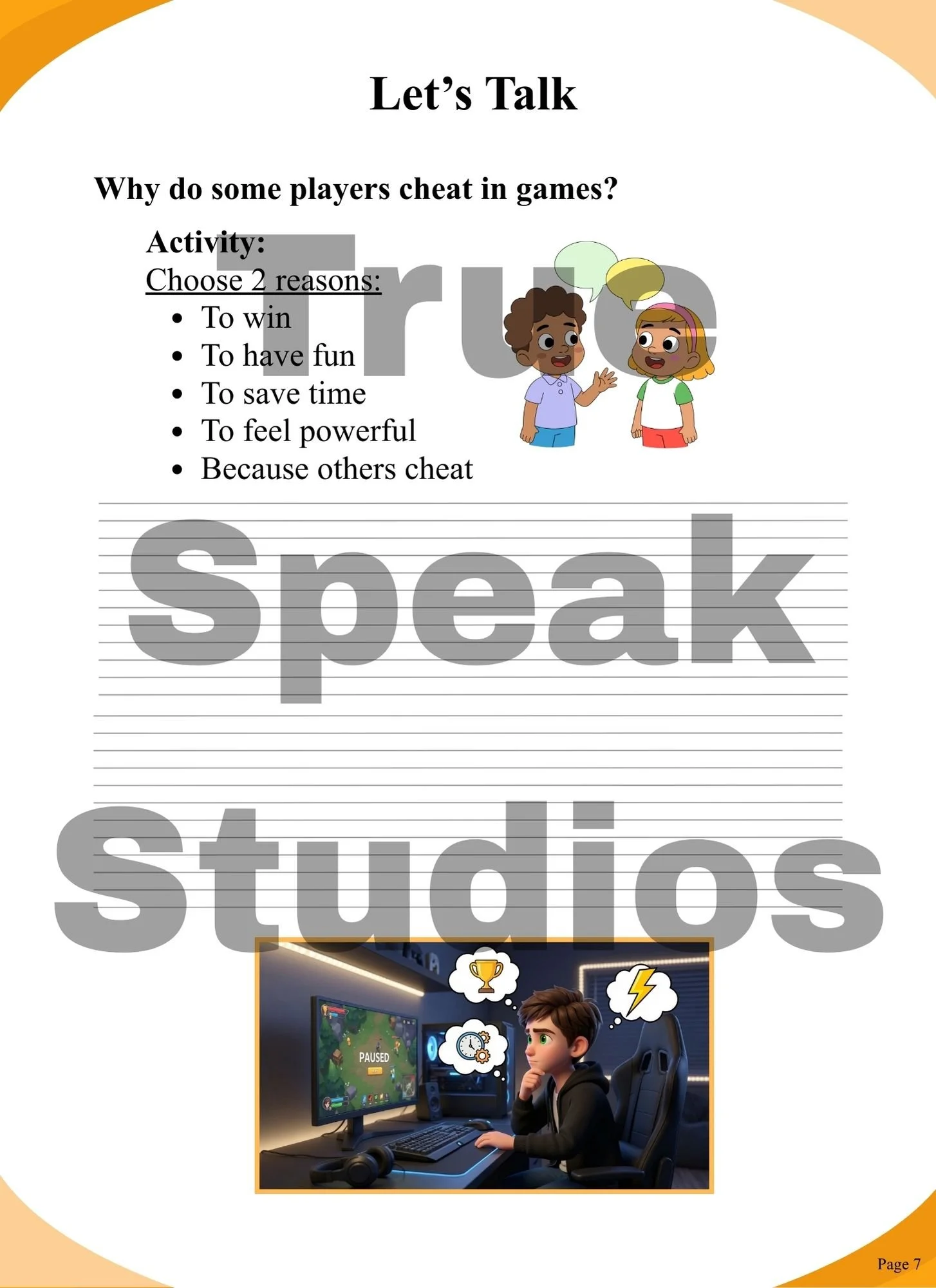 Image 10 of 24
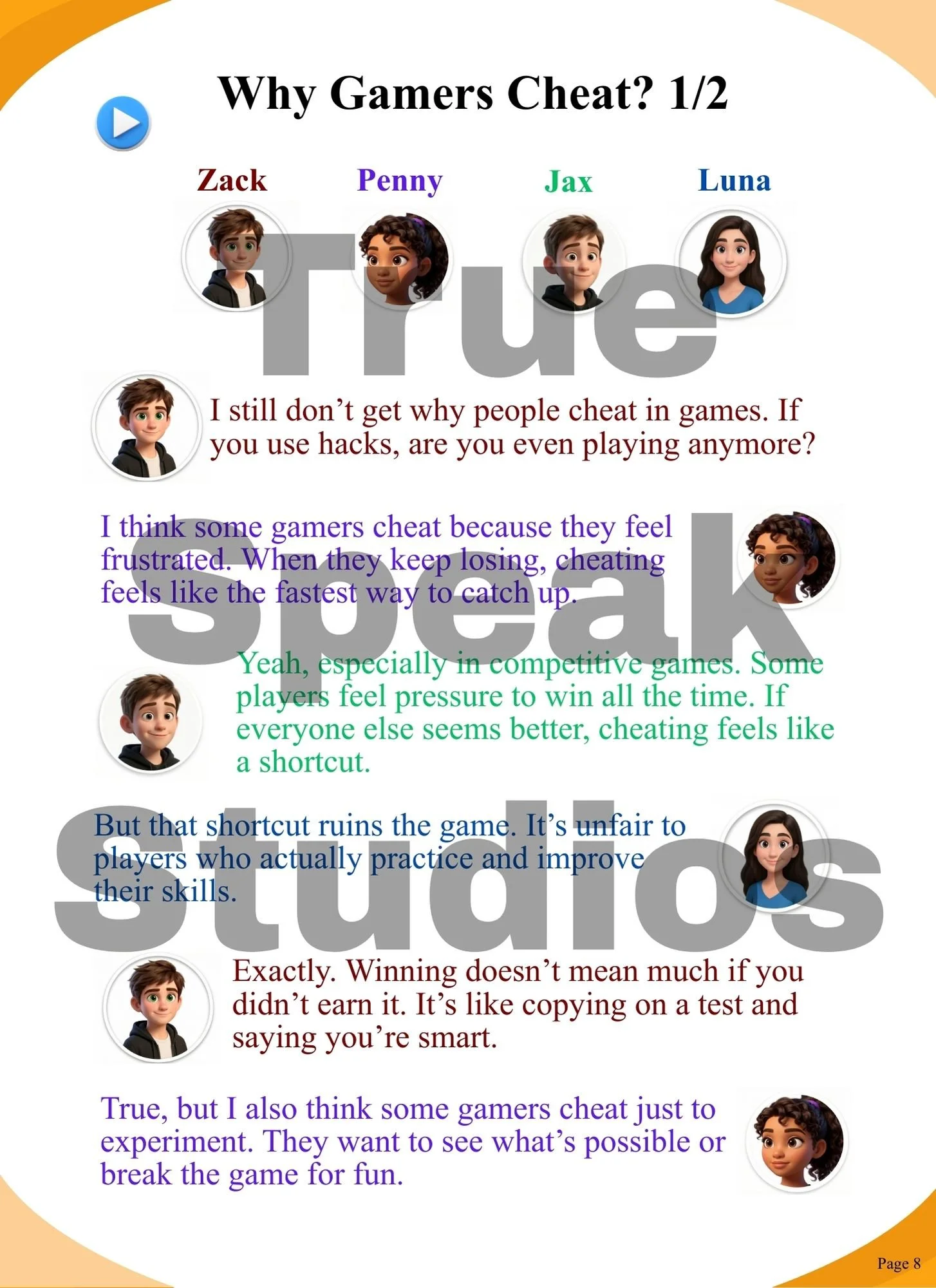 Image 11 of 24
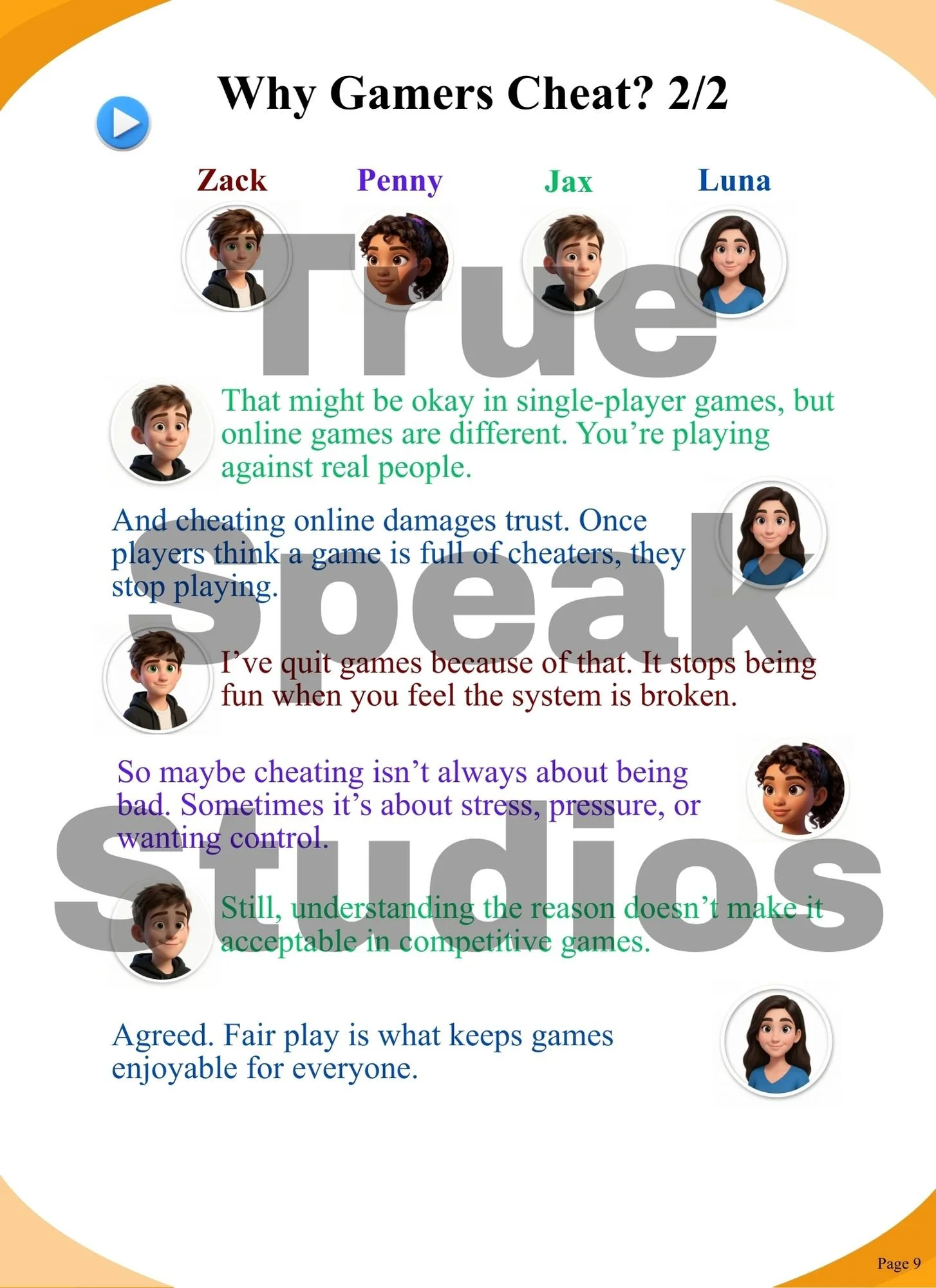 Image 12 of 24
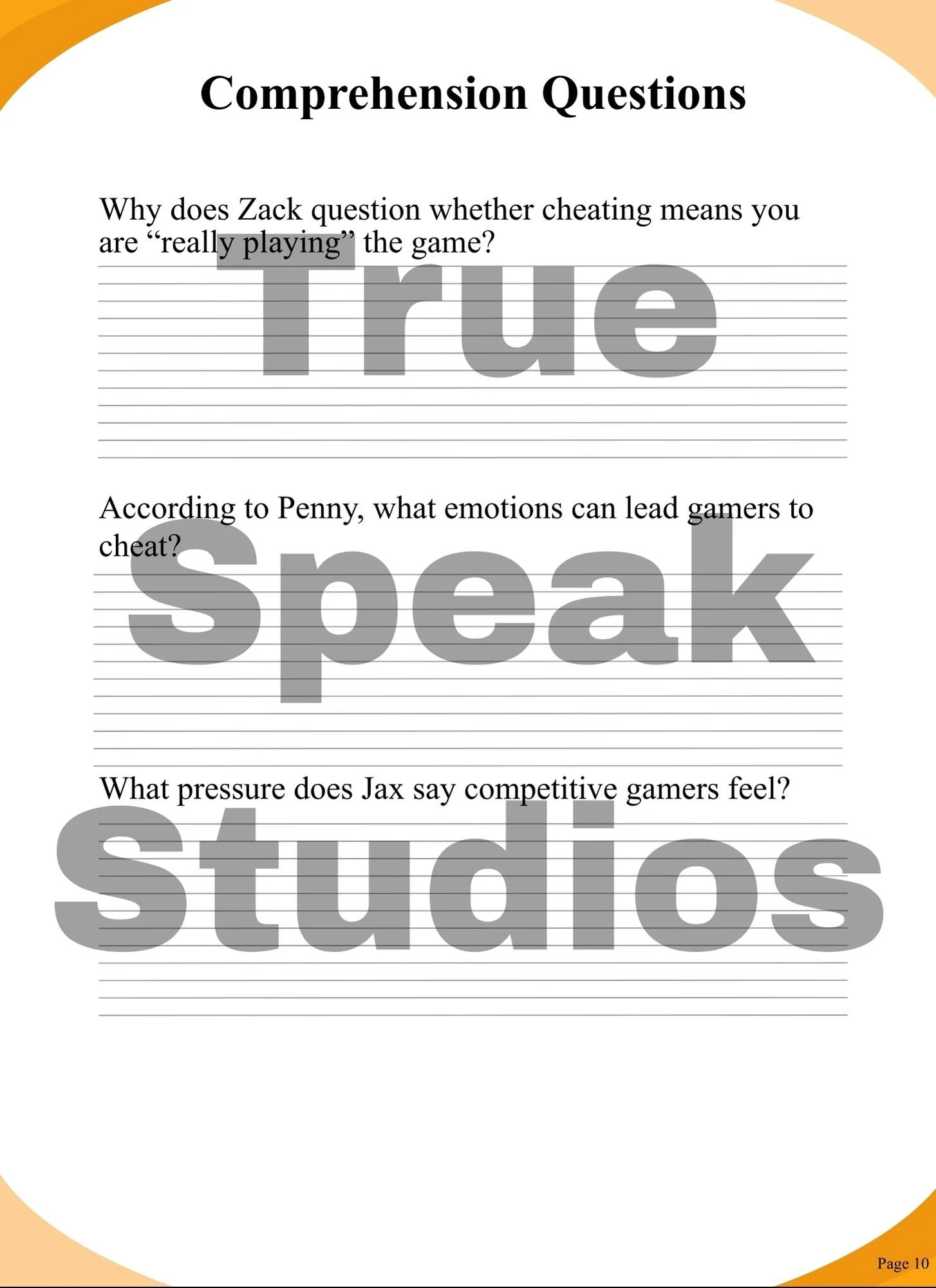 Image 13 of 24
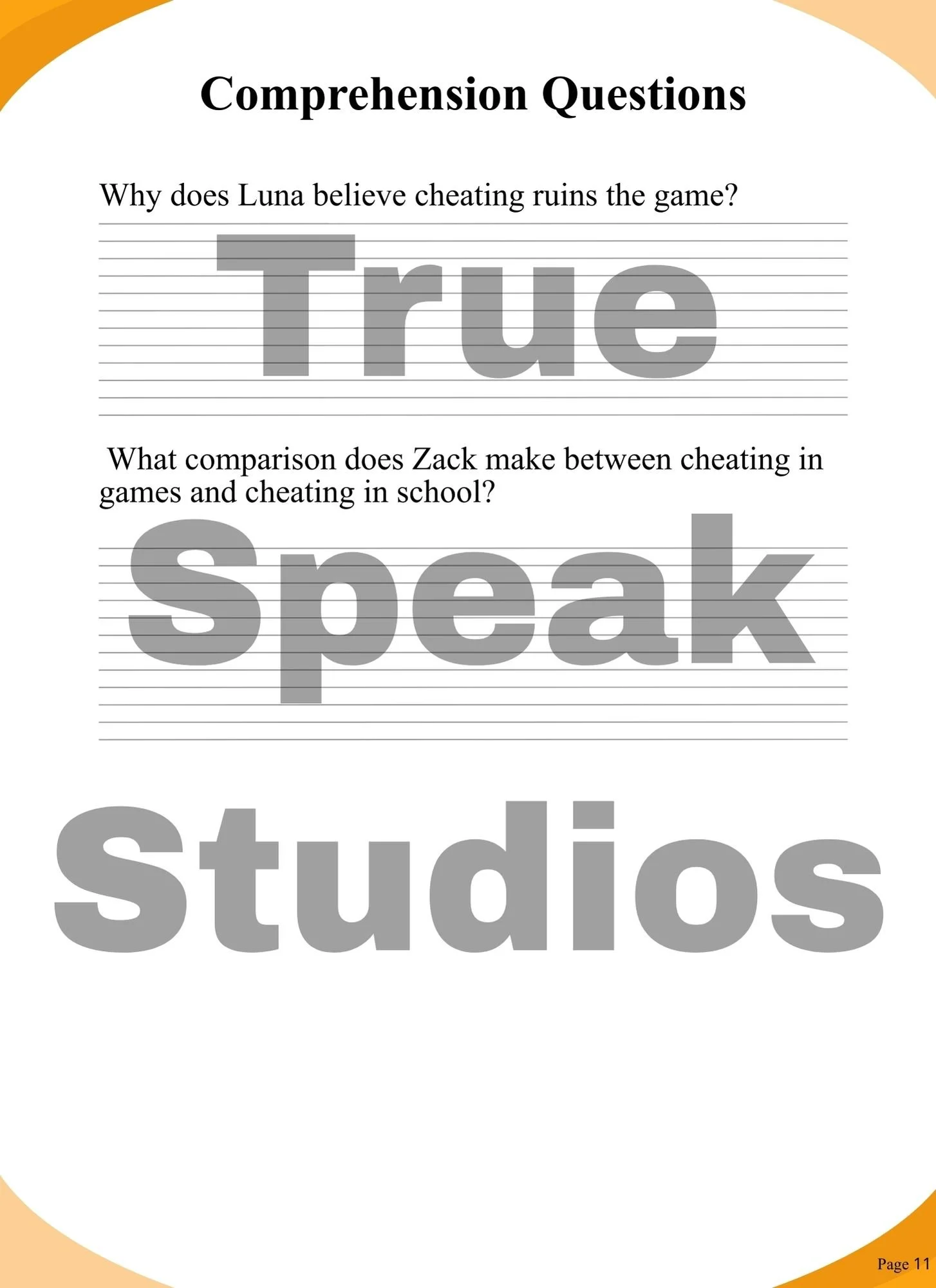 Image 14 of 24
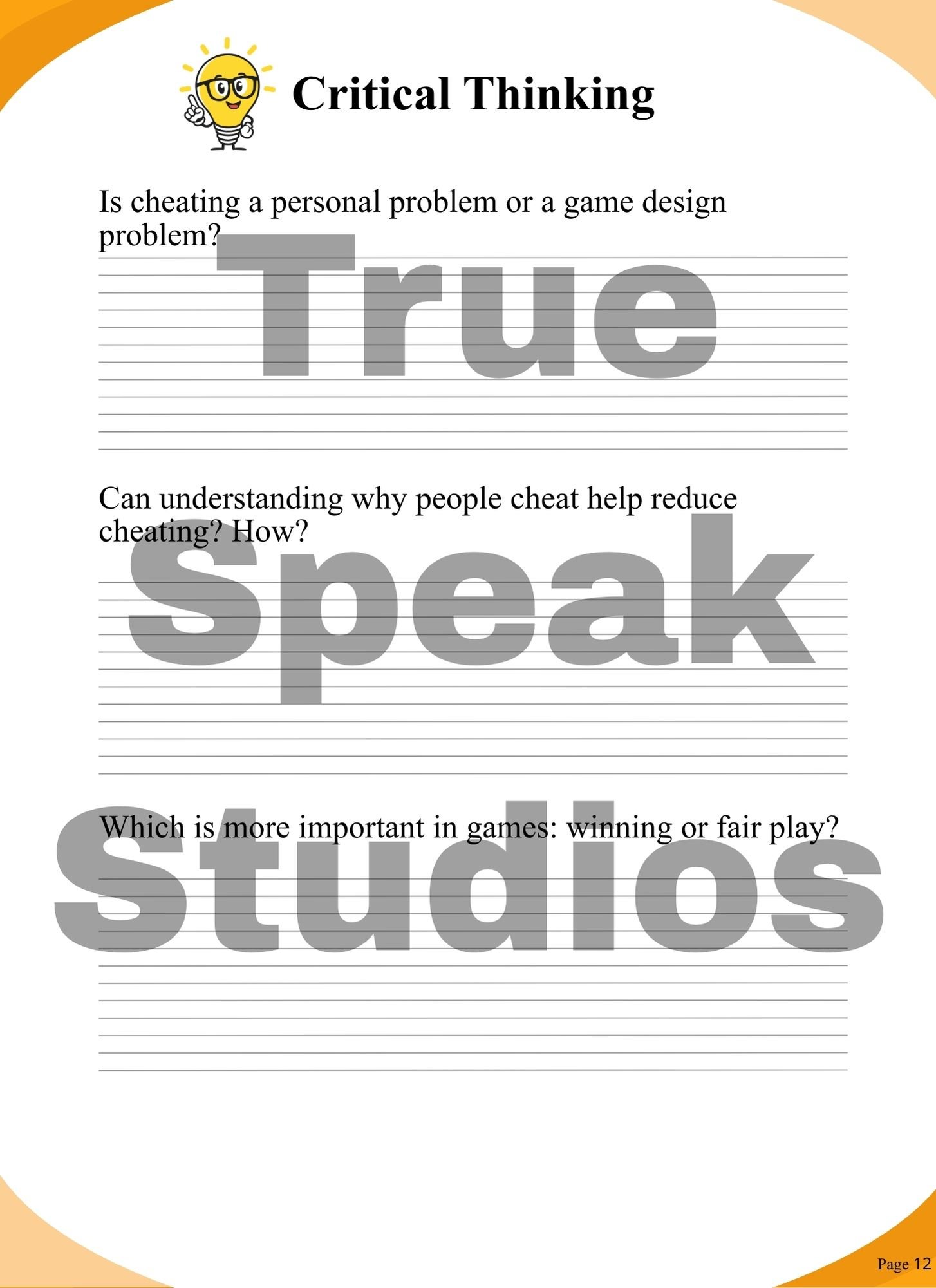 Image 15 of 24
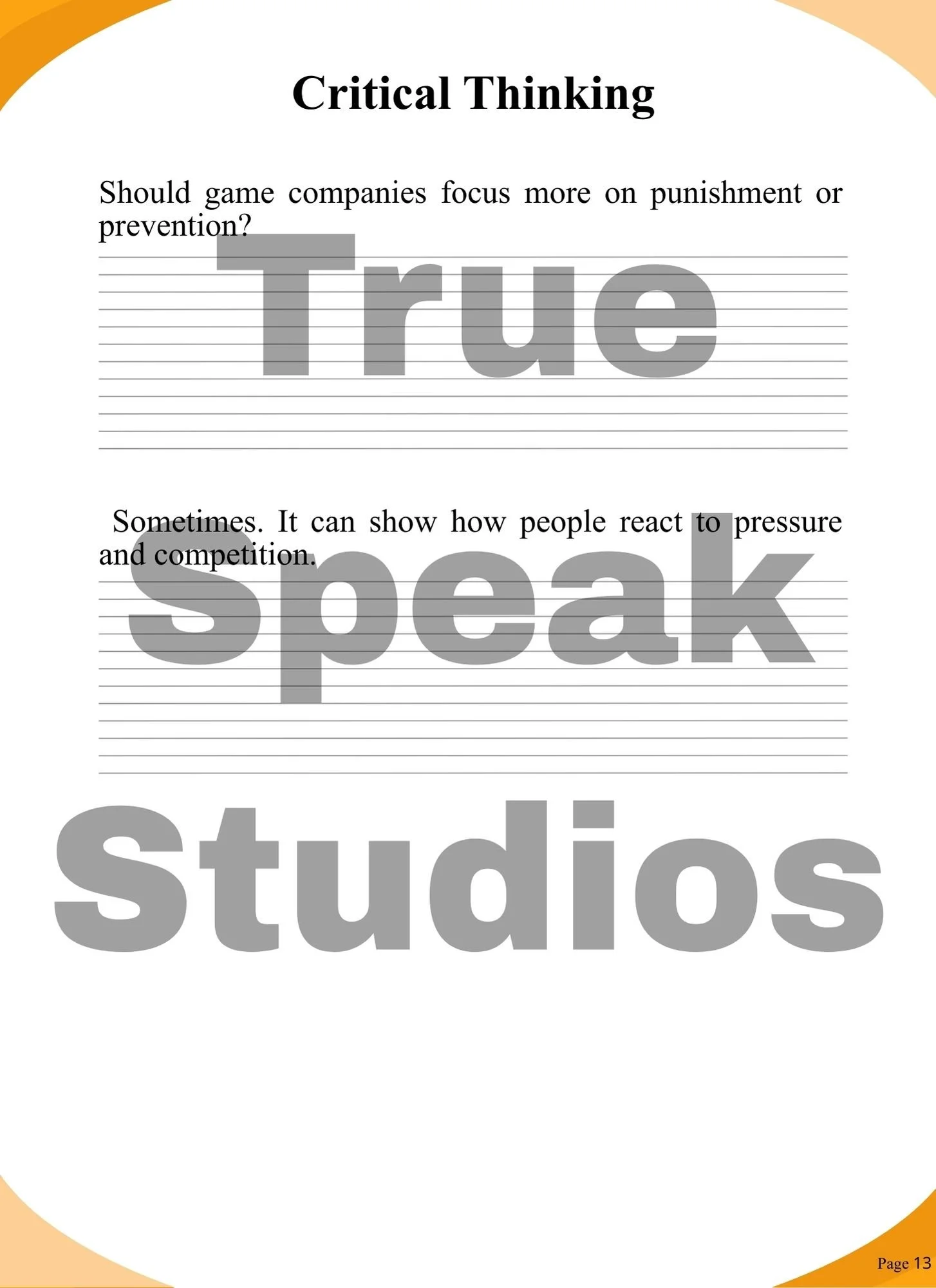 Image 16 of 24
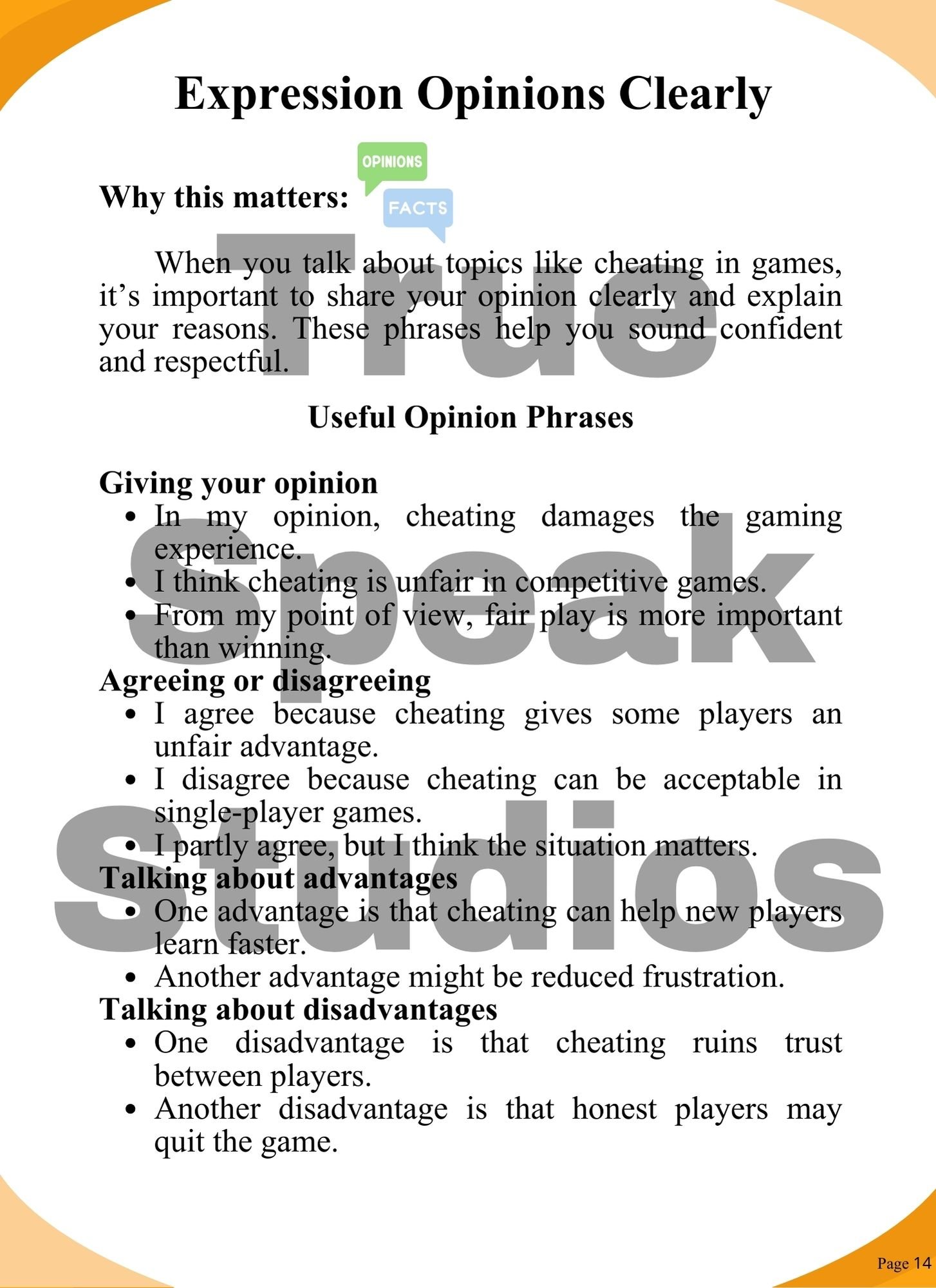 Image 17 of 24
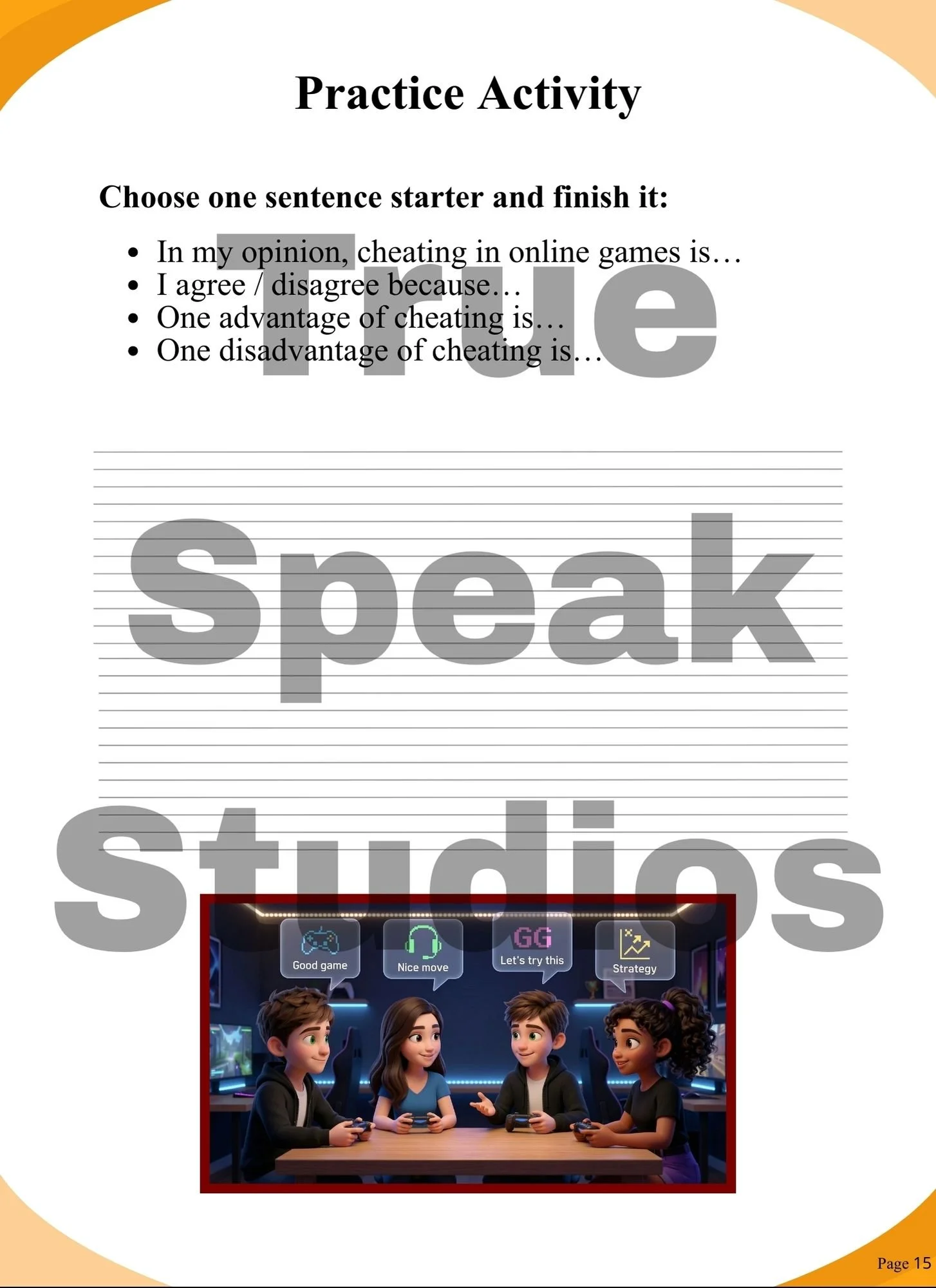 Image 18 of 24
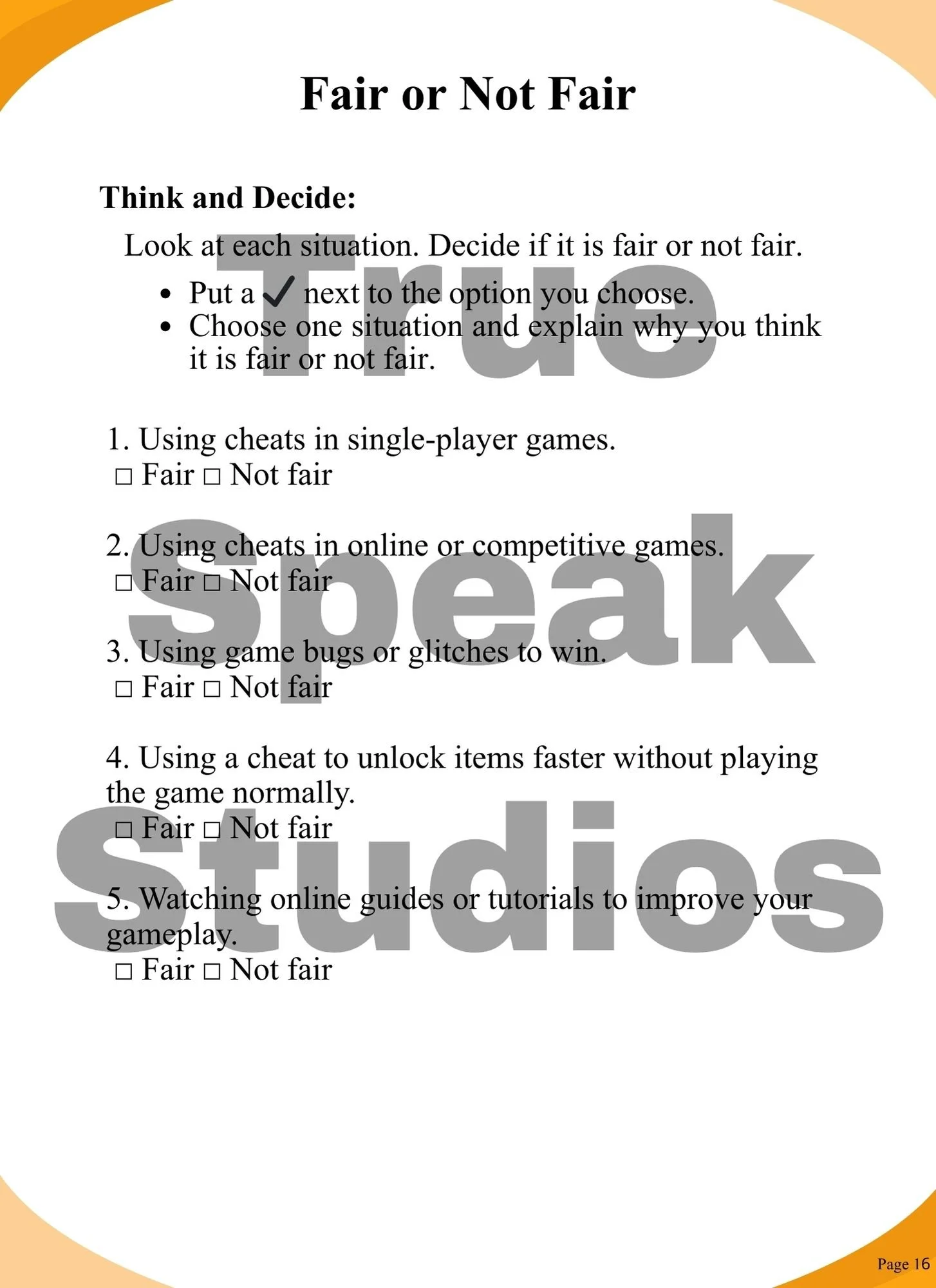 Image 19 of 24
 Image 20 of 24
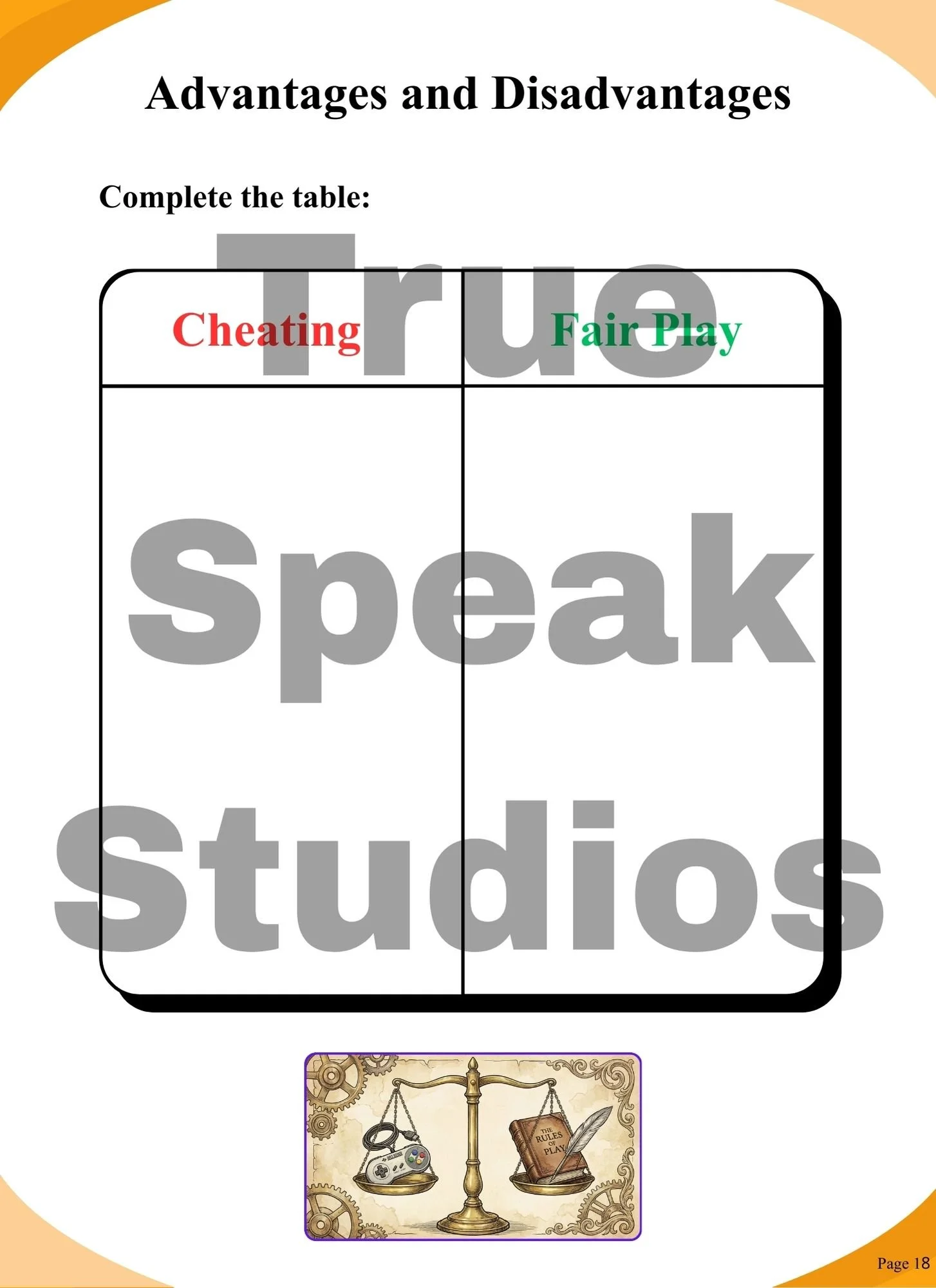 Image 21 of 24
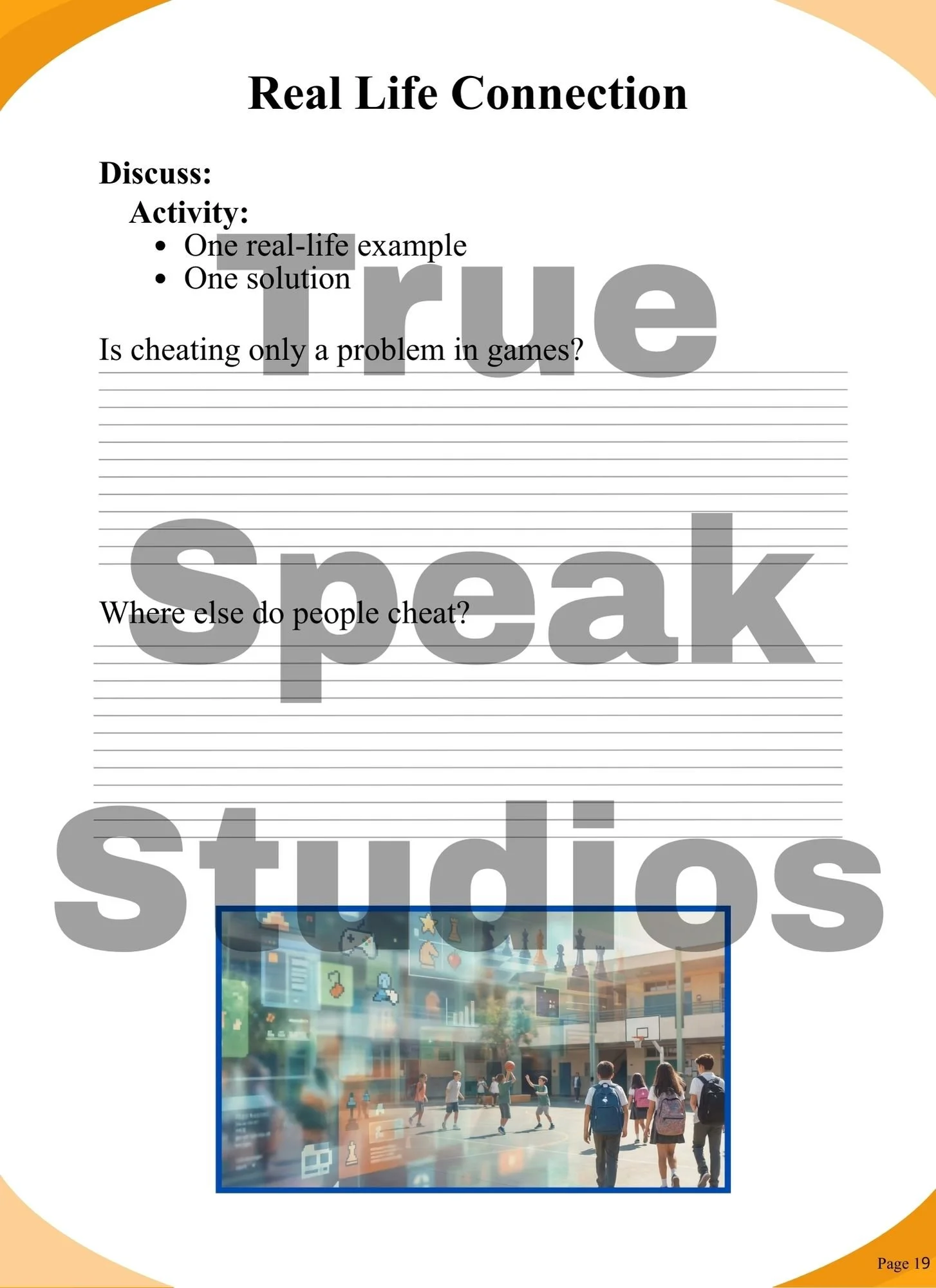 Image 22 of 24
 Image 23 of 24
 Image 24 of 24